IT’S NEVER TOO LATE
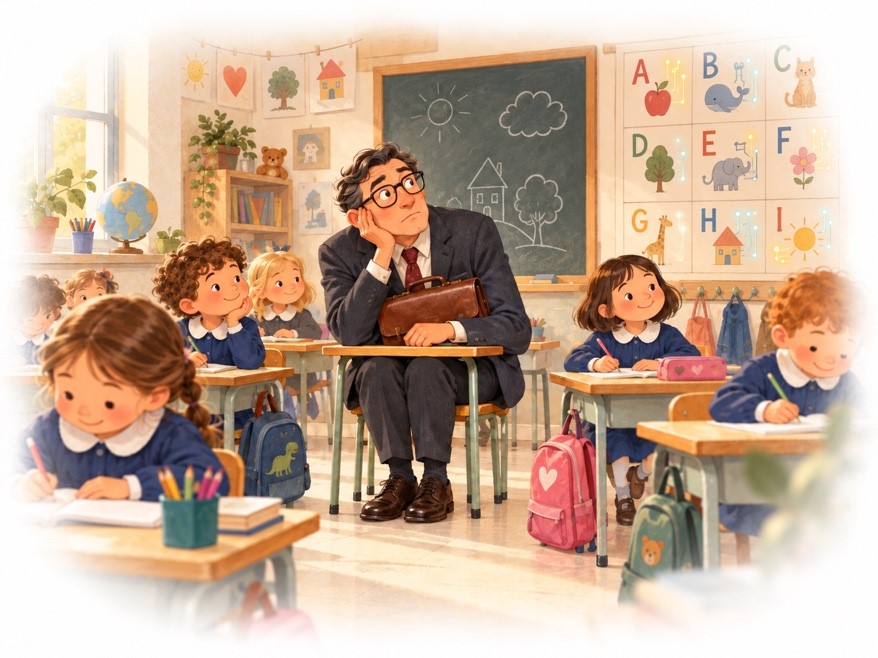
September. Stationery shops are stormed, parents photograph their children in front of the door with a backpack bigger than them, and six-year-olds discover that life, until then, had been a long recreation.

September. Stationery shops are stormed, parents photograph their children in front of the door with a backpack bigger than them, and six-year-olds discover that life, until then, had been a long recreation.
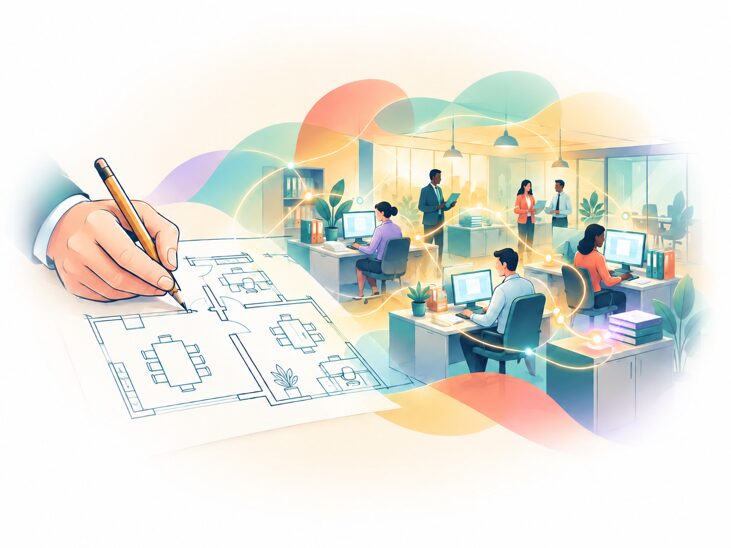
Videoclips from a “typical” administrative office: electronic invoices arrive, they are born as XML files, they travel digital (and they could remain so forever, for the well-being of the trees) they are printed, stamped like in a black and white era movie, scanned, saved in PDF and sent to the accountant.

In a city in southern China, in Guangdong, a hotel is preparing to open its doors without any human staff: at the reception there will be humanoid robots, luggage will go up to the rooms on silent wheels, dinner will come from a kitchen managed entirely by algorithms and interactions with other robots. No, it’s not Isaac Asimov and not even Robert A. Heinlein, it’s Reuters , and the news comes to us like a postcard sent from the future, but it’s about the present.